




Of all the stages in restoring water damage, drying the structure counts most, and it is the stage most often botched by people without training. After extraction removes the standing water, significant moisture remains trapped in structural materials, including drywall, wood framing, subflooring, concrete, insulation and other building components. This trapped moisture must be scientifically removed through controlled evaporation and dehumidification to prevent the mold growth, wood rot, material degradation and odor problems that develop when structures remain wet.
Psychrometry is the science of how air temperature, humidity and moisture interact, and the IICRC-certified technicians who dry structures for Columbus Restoration Co know it well. Using this knowledge, they calculate the specific equipment placement, temperature settings and airflow patterns needed to create the right evaporation conditions for each drying situation. Because hardwood, drywall, plaster and concrete do not dry at the same speed, the method has to change with the material to bring it to acceptable moisture content without harming it further.
Daily monitoring is built into how we dry a structure, and it relies on calibrated meters, thermal cameras and thermo-hygrometers. Readings are recorded from start to finish in a detailed drying log, which shows moisture dropping step by step in every affected material. Equipment is adjusted daily based on these readings to optimize drying efficiency. Drying is complete only when all affected materials reach acceptable moisture standards as defined by IICRC S500 guidelines, not when surfaces simply feel dry to the touch.
How to Tell You Need Structural Drying
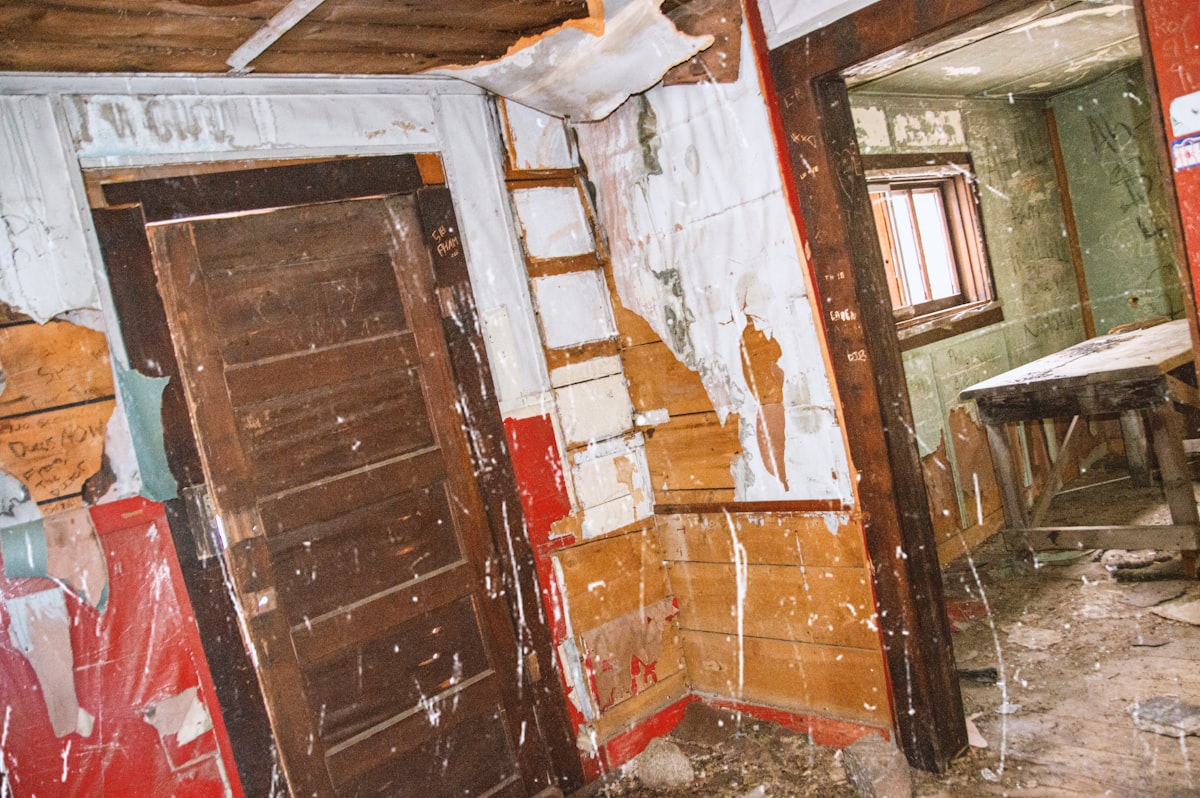
Recognizing the warning signs early can save you time, money, and prevent significant damage to your property. Watch for these telltale signs that professional help is needed:
- Wallboard with water stains, puffiness or a spongy feel
- Condensation forming on windows in the area that was wet
- Ceilings, floors or walls that still read high on a moisture meter following a leak
- Hardwood floors that are cupping, crowning or showing gaps between boards
- Rooms that stay humid even with windows open and fans running
- Materials that feel damp or cool to the touch even after visible water is gone
- Wall finishes that start to peel or bubble in the days after water damage
Act Before It Gets Worse
Many water damage problems start small but can escalate quickly into costly emergencies. If you notice any of these signs, contact Columbus Restoration Co at (682) 281-8236 for a prompt evaluation.
Structural Drying Issues? We Can Help.
Call Columbus Restoration Co for fast, reliable service.
Call (682) 281-8236 TodayMaintenance Tips for Structural Drying
A little prevention goes a long way in avoiding expensive restoration emergencies. Here are our expert recommendations:
- Keep windows and doors closed in areas being dried so the dehumidifiers stay efficient
- Each unit is positioned according to the moisture map, so ask before shifting anything
- Moisture can sit deep in a material whose surface feels dry, so rely on the meter readings
- Plan for daily access so readings can be taken and equipment adjusted
- The dehumidifiers and air movers should run around the clock until our technician takes them out
- Tell your restoration technician immediately if you notice new wet areas or odors during drying
Structural Drying: What Homeowners Ask
The Benefits of Professional Structural Drying
Structural drying is a science, not a guessing game. Simply placing fans and hoping for the best is the most common cause of secondary mold damage after water events. It involves daily monitoring, a calculation of the required grain depression (the capacity to remove moisture) and a working knowledge of the way materials absorb moisture and let it go. Lacking that understanding, people either stop too soon and leave moisture for mold, or dry too hard and harm wood and other materials.
Consumer products and the equipment professionals dry structures with have very little in common. Commercial LGR (low-grain refrigerant) dehumidifiers remove 10 to 20 times more moisture from the air than residential dehumidifiers, and high-velocity air movers create the precise airflow patterns needed to accelerate evaporation from structural surfaces. Machines like these cost a great deal and take training to use well, which explains why professional results are so much better than a do-it-yourself effort.
Questions About Structural Drying?
Our experienced technicians can assess your situation and recommend the best solution.
Call (682) 281-8236 NowHow Our Structural Drying Works
Our systematic approach delivers quality results on every project. Here's what you can expect when you choose Columbus Restoration Co:
Moisture Assessment
Hygrometers, moisture meters and a thermal camera let us map moisture across each area that was affected. Baseline readings come from the map, and so does the plan for placing equipment.
Equipment Deployment
Guided by the moisture map, we place high-velocity air movers and commercial LGR dehumidifiers where they will do the most good. The materials being dried determine how we set the airflow and the temperature.
Daily Monitoring
Each day a technician visits to document progress, reposition equipment and measure moisture at every monitoring point. We keep you posted on how the timeline looks.
Dry Standard Verification
Final readings are documented, the equipment comes out and your property is certified at dry standard as soon as all affected materials test at acceptable levels.
DIY vs. Professional Structural Drying
Some simple tasks are suitable for DIY, but most water damage work benefits from professional tools, training, and experience. Consider the following comparison:
| Factor | DIY Approach | Professional Service |
|---|---|---|
| Method | Guessing when things are dry | Psychrometric calculations optimize drying |
| Speed | Can drag on for weeks | Usually 3 to 5 days for most homes |
| Records | No proof of proper drying | Complete drying logs for insurance and records |
| Mold Risk | High risk from incomplete drying | Verified drying to IICRC standards |
| Over-Drying | No control over how fast materials dry | Settings adjusted for hardwood, drywall, concrete, plaster |
Talk to a Structural Drying Expert
The sooner you call, the sooner we can help. Reach Columbus Restoration Co for same-day service.
Call (682) 281-8236 Today